
By Iola Edmayr, Executive Director, KEU Underwriting Managers
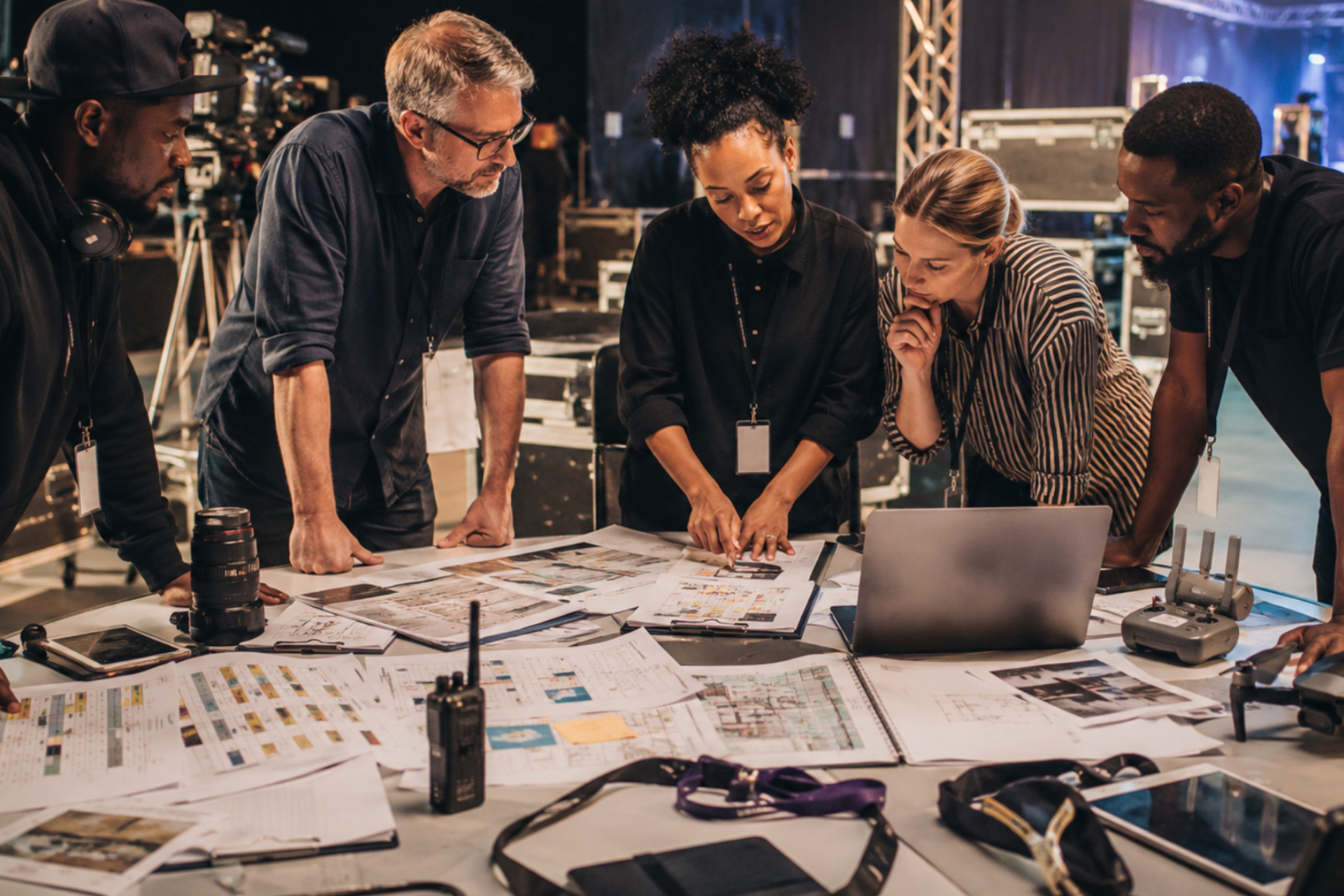
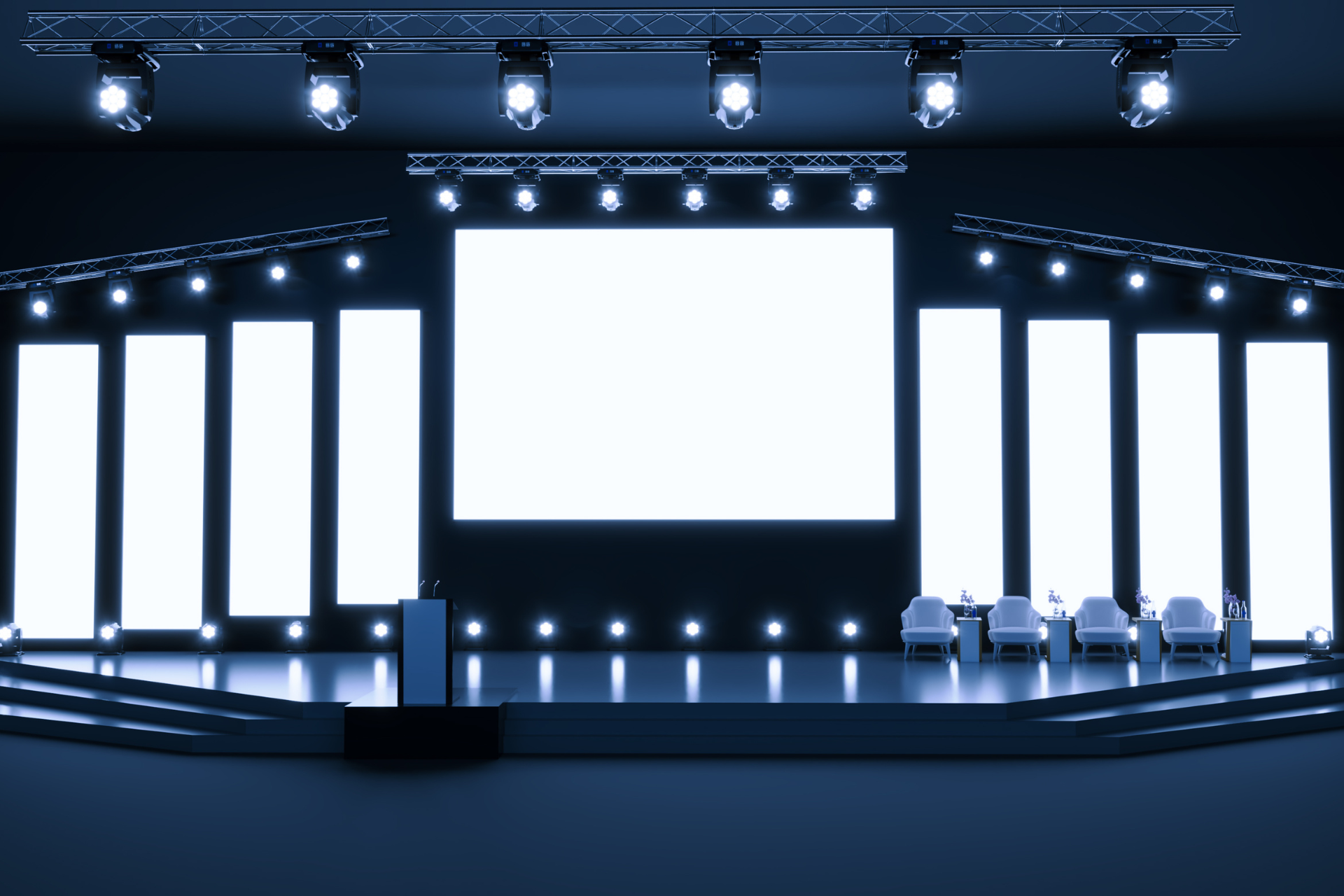
I spent part of last month walking through the setup of a mid-sized corporate product launch. The client had done everything right by most measures: a considered venue, a tight run-of-show, a professional production team. But what struck me most was how little of the actual event existed in physical form. There were no printed banners of consequence. No static stage backdrop. No traditional podium setup. What there was, in abundance, was technology. Projection mapping across the full rear wall. An LED installation framing the entrance experience. A drone operator is clearing final SACAA compliance checks in the parking lot. Live-streaming infrastructure running on three platforms simultaneously.
It looked effortless. And from a production standpoint, it largely was.
But from where I sit, it raised a set of questions that I think the broader events and insurance industry need to be asking more systematically.
Because here is the thing: that event was, in several meaningful ways, more sustainable than its predecessor formats. Far less printed material. Far fewer disposable elements. The principles underpinning event sustainability management are increasingly being reflected in how South African organisations design and deliver their events, and that is genuinely good news.
What it is not, however, is lower risk. And that distinction matters enormously.
Cleaner Events Are Not Simpler Events
This is the central idea I keep returning to, and I want to be direct about it: the move towards digitally led, lower-waste event environments has made certain risks more complex, not less.
When you replace a printed backdrop with a projection mapping system, you have not eliminated risk. You have exchanged a simple, low-value physical asset for a sophisticated, high-value technical dependency. When you replace a static stage with an interactive LED installation, you have introduced equipment that is expensive, sensitive, difficult to replace at short notice, and often critical to the entire event experience proceeding as designed.
The industry is moving fast in this direction, and understandably so. Meetings Africa 2026 placed a renewed spotlight on how Africa’s business events sector is positioning itself competitively, and experience-led formats are clearly part of that story. The mid-year corporate activation window is particularly intense in South Africa, when product launches, internal conferences, awards evenings and brand campaigns tend to cluster together. Organisers are ambitious. Production teams are delivering work that would not have been technically possible five years ago. And when they work, the events are genuinely impressive.
But when they fail, the failure mode is very different from what we would have seen in a more traditional setup. And that is where the insurance conversation needs to evolve.
The Hired Gear Nobody Thinks About Until Something Goes Wrong
Let me start with what I consider the most underappreciated risk in modern event production: the equipment itself.
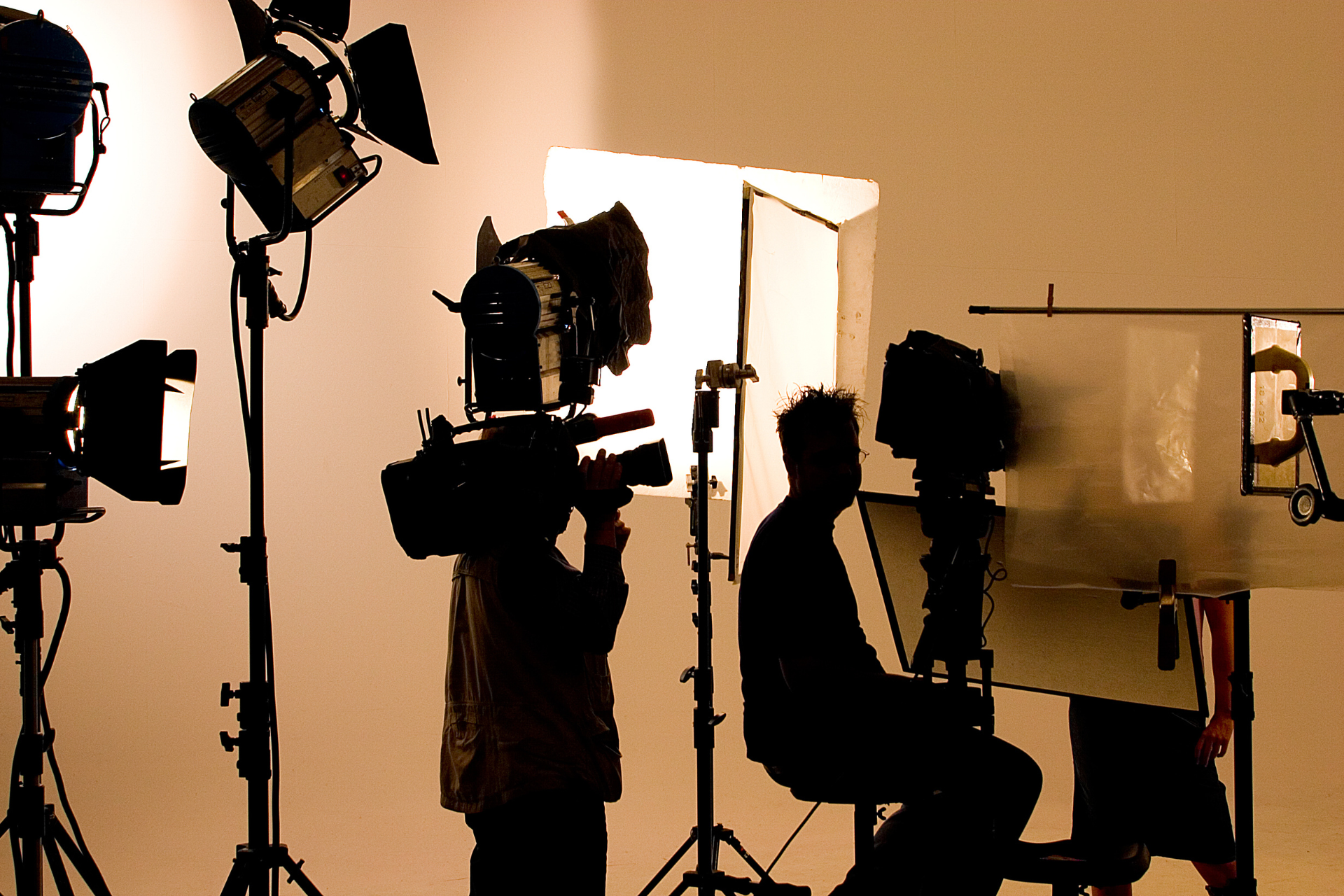
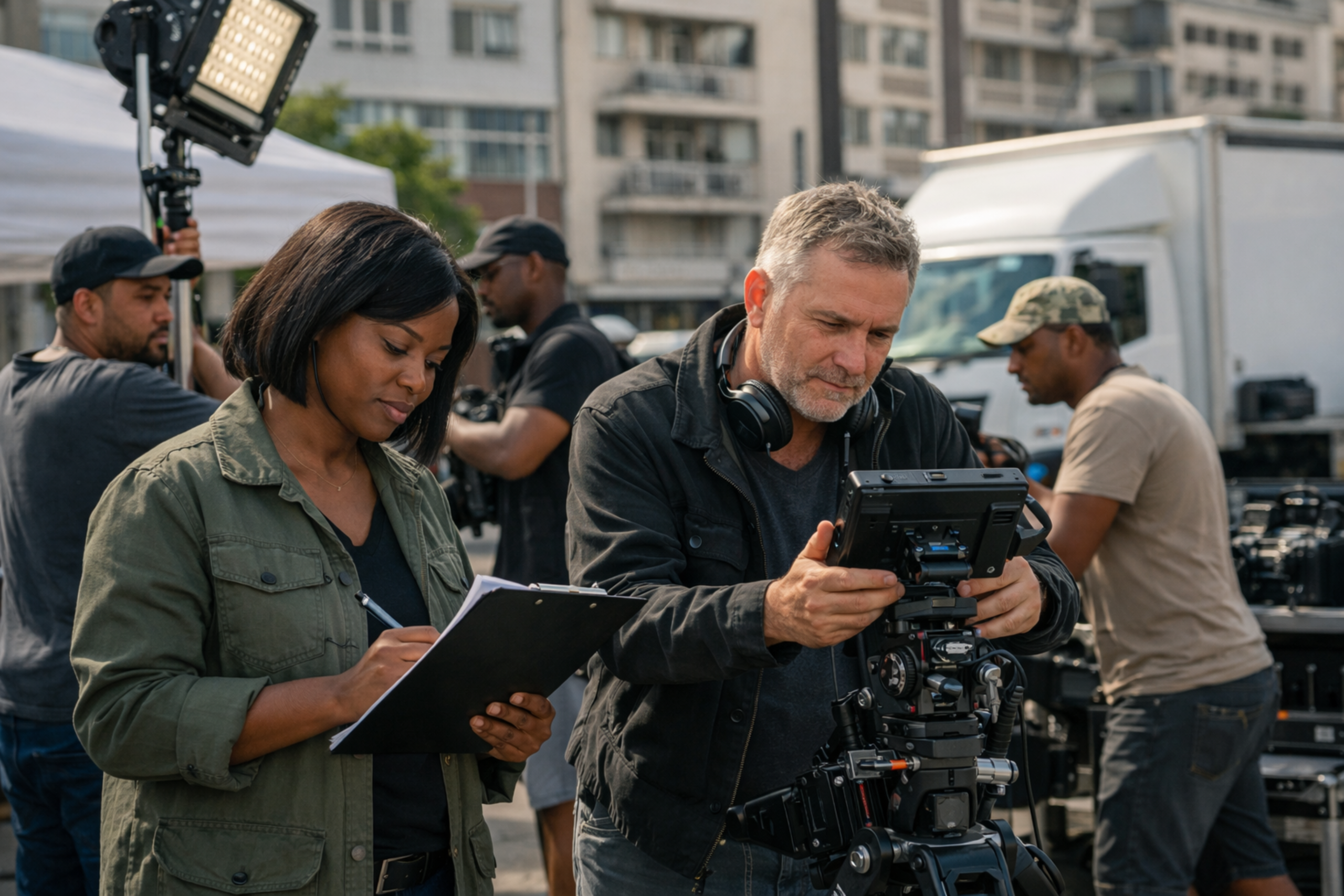
When an event is built around a digital reveal, a live-streamed conference, or an immersive multi-sensory activation, there is typically a significant volume of specialist hired equipment sitting behind that experience. Cameras. Projectors. LED panels. Specialist audio rigs. Content servers. None of it belongs to the organiser. All of it is moving between storage, transport, installation, active use, and eventual breakdown. Multiple parties are handling it. It is exposed to transit risks, venue conditions, accidental damage, and the kind of operational pressure that comes with tight production timelines.
Our Equipment All Risk Insurance Solution is designed precisely for this type of exposure. It provides cover for physical loss or damage to film, photographic and music equipment across the full chain: in storage, in transit, and, where applicable, while hired out. Depending on the structure of the production, cover can be arranged on a per-production or annual basis.
Two extensions are particularly relevant for modern event environments. Continuing Hiring Charges can assist where payments remain owed to a hiring company while insured equipment is being repaired or replaced. Loss of footage, faulty stock, and processing may result in costs linked to reshoots or contractual obligations where applicable.
The financial exposure here is not always intuitive. Organisers often think about the replacement cost of the equipment itself. What they do not always factor in is the downstream cost of a hire company claiming ongoing daily rates while a damaged item is being processed, or the contractual consequences of content that cannot be delivered because the equipment failed. Those costs can escalate quickly, and they need to be disclosed properly at the underwriting stage.
Proper disclosure is not a formality. It is how the cover is structured to reflect the actual exposure.
There Is A Difference Between Equipment That Supports An Event And Equipment That Is The Event
It is a distinction that sounds simple but has real consequences when something goes wrong.
In a traditional setup, a microphone failure is an inconvenience. Someone finds a spare. The programme continues. A projector issue means the slides go up late. The speaker adapts.
In a highly technical event environment, that margin for improvisation often does not exist. A product launch built around a projected digital reveal cannot easily proceed if the core technical system fails. A live-streamed executive summit loses its commercial and reputational purpose if the broadcast infrastructure goes down. A brand activation centred on an interactive LED experience may simply be undeliverable without that specific infrastructure in place.
This is where Event Cancellation Insurance stops being an optional add-on and starts being a genuine planning consideration.
Our Event Cancellation solution can provide cover where an event is cancelled, abandoned or postponed due to circumstances beyond the organiser’s control. Critically, breakdown of technical equipment is one of the applicable circumstances that may be considered under this solution. Depending on the structure of the cover, the policy may respond to declared expenses, ticket sales, or sponsorship commitments.
Something I want brokers and event professionals to keep very clearly in mind: the insured amount is based on the expense or income budget submitted at the underwriting stage. That budget is not a formality. It is the foundation of the cover. Only amounts declared in the approved budget at policy inception will be considered when a claim arises.
For events with complex financial structures, including sponsorship arrangements, speaker fees, venue deposits, technical hire commitments and content delivery obligations, this means the financial picture needs to be just as detailed as the production plan. An ambitious event with a loosely defined budget is a risk exposure waiting to be misunderstood.
On Drones: I Would Rather Have This Conversation Upfront
In my experience, drones are the area where assumptions are most likely to get event professionals into trouble. Not because the risk is unmanageable, but because it tends to be under-disclosed.
Drones have become a genuine part of the South African production and events landscape. Aerial footage. Venue mapping. Promotional content capture. Visual storytelling that simply cannot be replicated from the ground. The creative value is real, and I understand why production teams reach for this capability.
But a drone is not simply another camera. It is a regulated aircraft, and the South African Civil Aviation Authority sets out specific requirements for unmanned aircraft systems operating commercially, including registration, licensing and operating certificate considerations.
From an underwriting perspective, the questions need to be precise. Is the drone being used commercially? Is the drone itself licensed? Is the pilot licensed? What is the total weight of the drone, including any attached payload? What equipment is being carried? Where will it operate? Will it be flying near people, structures, or sensitive event infrastructure?
Our Drone All Risk Insurance Solution provides cover for physical loss or damage to commercially used drones up to 20kg, including payload. Both the drone and the pilot must be fully licensed to qualify for cover. Commercial liability can also be considered upon request, which matters particularly where third-party risks arise from drone operations near audiences, venues, or adjacent properties.
This is not an area for verbal confirmations that never get properly verified. Drone use must be disclosed correctly, understood clearly, and underwritten on the basis of accurate information. The licensing requirements are not optional extras. They are conditions that determine whether the cover responds at all.
People Are Still The Constant
Even as events become more digital, more immersive and more technically complex, one thing does not change: people remain at the centre of the risk.
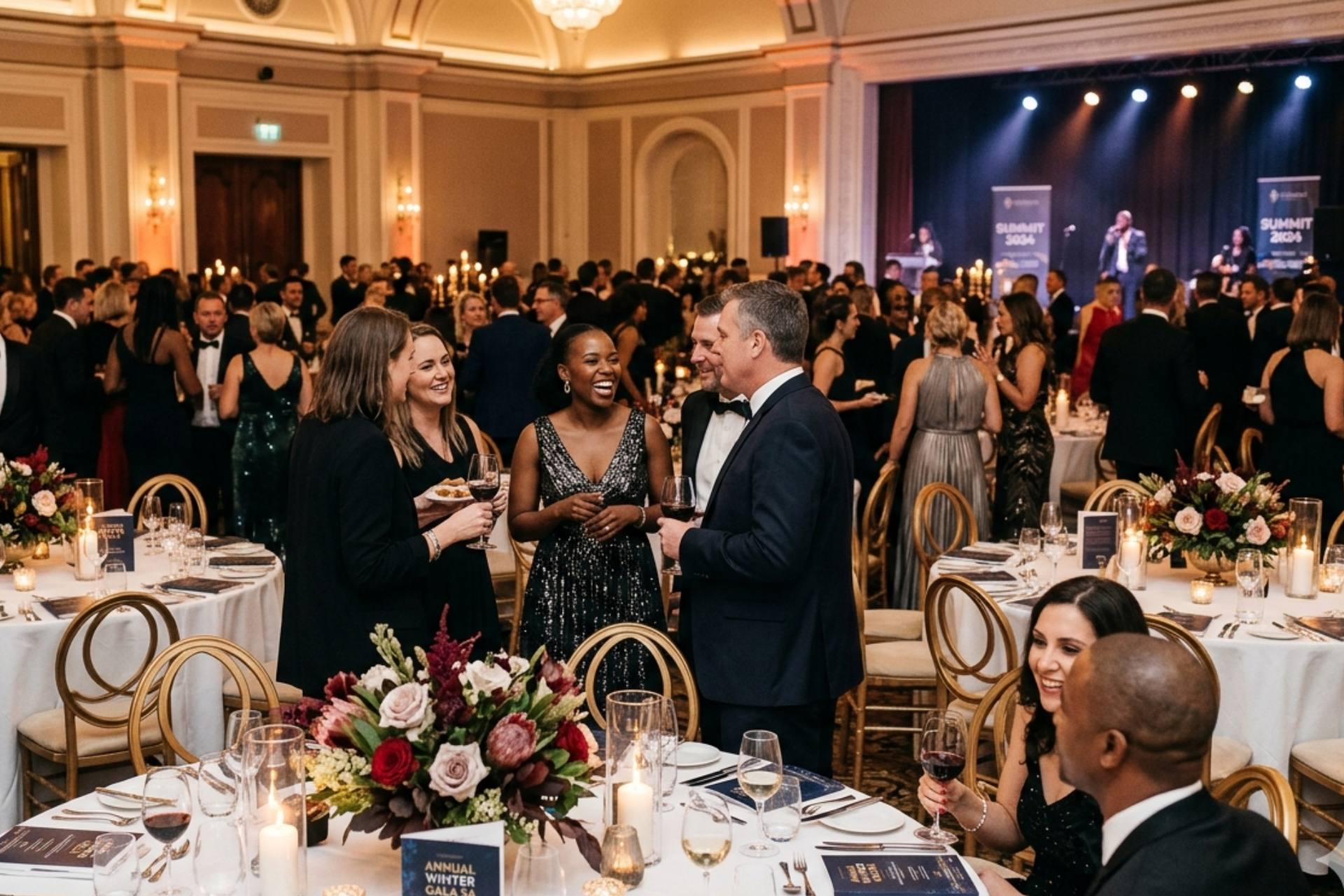
Guests walk through LED installations. Crew members work in proximity to specialist equipment. Suppliers move heavy technical infrastructure across venue floors. Exhibitors interact with attendees. Technicians, performers, caterers, security teams and cleaning crews are all part of the environment. And in immersive event formats, attendees are not passive. They move through the space, interact with displays, stand near technical infrastructure, and participate in the experience in ways that traditional event formats never required.
The more interactive an event becomes, the more carefully the liability exposure needs to be considered.
Our Event Liability Insurance Solution provides cover for damages that event organisers may become legally liable to pay to third parties following death, bodily injury, illness, or loss of or damage to third-party property. Cover can include the event dates themselves, as well as set-up and breakdown periods where requested.
Additional extensions may also be applicable depending on the nature of the event, including participants, exhibitors, care, custody and control, temporary construction, and pyrotechnics. For events that include activations, installations or interactive environments, it is worth working through these extensions deliberately rather than assuming the standard scope covers every exposure.
Start The Insurance Conversation When You Start The Production Plan
If I could change one thing about how the industry approaches event insurance, it would be the timing of the conversation.
By the time a broker receives a request to place cover two weeks before a launch, the production plan is largely fixed. The equipment has been contracted. The drone operator has been briefed. The financial commitments have been made. The window for proper underwriting dialogue is narrow, and the risk of a mismatch between the cover placed and the event actually being delivered is at its highest.
The questions that drive a good underwriting conversation are not complicated. What specialist equipment is being used, and who owns it? Is any equipment hired in, and on what terms? What is the declared value of equipment across its full movement from storage to venue to breakdown? Does the event depend on specific technical infrastructure to proceed? What expenses, ticket revenue and sponsorship commitments need to be declared? Are drones involved, and are all licensing requirements confirmed? Are temporary structures, exhibitors or pyrotechnics part of the programme?
None of these questions takes long to answer when the planning process is still open. They take much longer to reconstruct after something has gone wrong.
A Final Thought
The South African events industry has always found ways to do more with what it has. That resourcefulness has not gone anywhere. What has changed is the technical complexity sitting behind the creativity, and the degree to which a single point of failure in that technical chain can unwind an entire production.
I do not think that should make anyone more cautious about what they build. But I do think it should change when and how the risk conversation happens. The events that impress audiences most are often the ones with the most intricate dependencies running beneath the surface. Those dependencies deserve to be understood, declared and properly covered.
At KEU, our Equipment All Risk, Event Cancellation, Drone All Risk and Event Liability solutions are built around how events are actually delivered, not how they used to be. The proposal forms for all relevant solutions are available on the KEU website, and our underwriting team is available to assist through the broker referral process.
About the Author
Iola Edmayr is Executive Director of KEU Underwriting Managers, where she has shaped the company’s strategic direction since joining in 2014. Her background in the film industry gives her a grounded understanding of the production environments, specialist equipment and creative dependencies that sit behind the events and activations KEU insures. That perspective informs how she thinks about risk: not from the outside looking in, but from a genuine familiarity with how these environments actually work under pressure. She has spent over a decade bringing that lens to the insurance sector, and it shows in how KEU approaches the more complex, technical and experience-led risks that are becoming central to the modern events landscape.