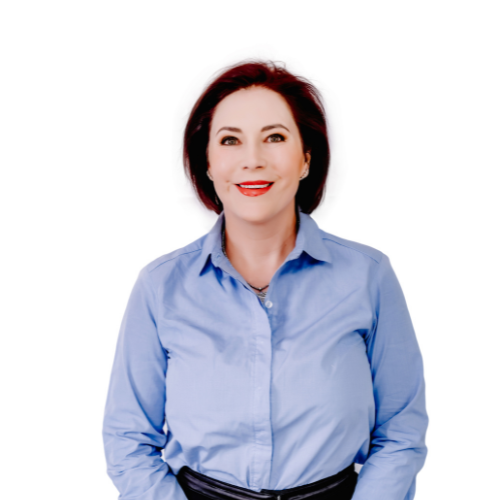
By Denise Hattingh, Managing Director, KEU Underwriting Managers
In film, advertising and live events, what people remember is the result. The finished commercial. The shoot wrapped on time. The festival that felt effortless. The brand activation looked like it came together without a hitch.
What they do not see is everything that had to hold together to make that possible.
I have worked in this space long enough to know that the real risk in these industries rarely announces itself as one dramatic event. More often, it starts quietly. A delayed call time. A performer who cannot make it. A technical problem surfaces an hour before doors open. On its own, any one of these might be manageable. The difficulty is what follows. In film and events, timing, people, equipment, venues and budgets are so deeply connected that when one thing shifts, the pressure does not stay in one place. It moves.
That chain reaction is what I think about when I consider creative risk. And it is why understanding that risk early, before the shoot, before the event, matters so much more than most people realise until something goes wrong.
Fixed Dates Are Not A Detail. They Are The Whole Framework.
Film shoots, commercial productions and live events are not built around flexible timelines. They are built around fixed ones, and that distinction matters enormously in practice.
A production date accounts for cast availability, crew contracts, location permits, equipment hire agreements, weather windows, agency deadlines, and client sign-off. An event date carries venue commitments, ticket sales, supplier schedules, stage builds, infrastructure and public expectation. Once those dates are locked, the room to manoeuvre shrinks considerably.
That is where the pressure starts to build. A change that looks minor from the outside can become significant the moment it touches other commitments. If a key person is unavailable, a location becomes inaccessible, or a critical piece of equipment cannot be used, the first question is what went wrong. But the more urgent question is what else does that now affect?
The South African film industry is a well-coordinated environment. Organisations such as the National Film and Video Foundation play an important role in the development, production, marketing and distribution of local work, and that broader ecosystem makes continuity important at every level of production. When planning breaks down, the effects rarely stay where they started.
What Happens On Set When One Thing Goes Wrong
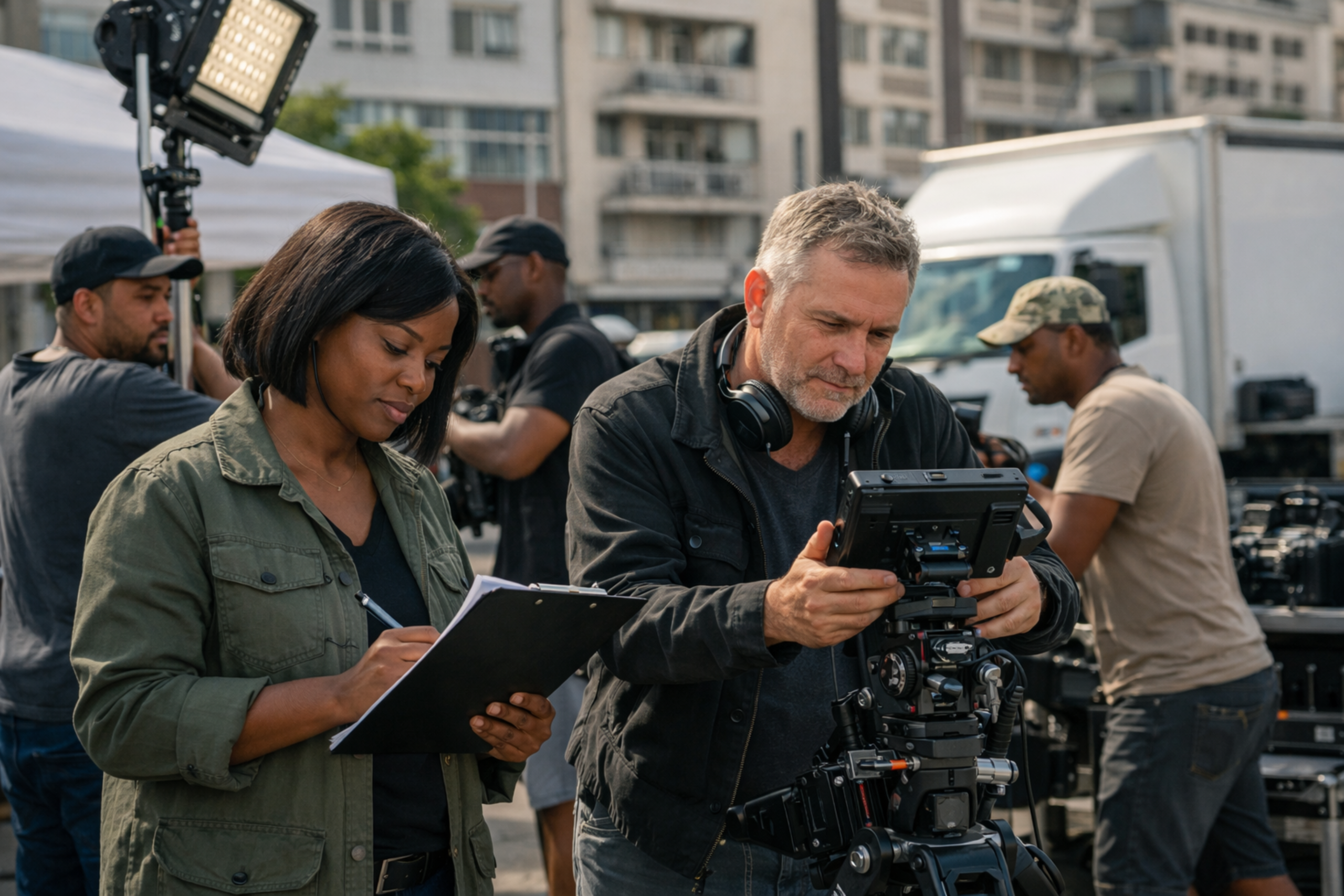
This is something I think people outside the industry genuinely underestimate. On a film or commercial set, every department depends on the one before it. Production, camera, lighting, art department, wardrobe, sound, transport, cast and client all operate against a shared schedule. That schedule has very little give.
When filming is delayed, the financial pressure does not stop at the disrupted scene. The crew may need to be rebooked. Locations may need to be extended or replaced entirely. Equipment hire keeps running. Set builds, wardrobe, props and vehicles may all need to be held beyond their original period. And if footage is damaged or unusable, the cost to recreate what has already been shot can be significant. I have seen productions where a single day’s disruption created a ripple that ran through the final two weeks of the schedule.
This is why KEU’s Film and Commercial Producers’ Indemnity Insurance Solution remains central to what we do. It is designed to respond across a wide range of production-related risks, including key cast or crew non-appearance, damage to props, sets and wardrobe, digital footage exposures, hired equipment, and the extra expense required to complete production, subject to the policy wording, terms and conditions.
The value of specialist film production insurance is not just the cover itself. It is the understanding behind it. A shoot is not a collection of separate tasks. It is a connected process, and when one area is disrupted, the financial and operational impact moves faster than most people expect.
The Budget Is Already Committed Before The Camera Rolls
Advertising shoots tend to work under particularly tight timelines. Campaign launch dates, media bookings and client commitments do not shift easily, and by the time a shoot begins, a significant portion of the budget has already been spent or committed.
Locations have been scouted and secured. Cast and crew are contracted. Equipment, technical teams and creative resources are in place. Some of those costs are non-recoverable regardless of whether the shoot proceeds. That is the reality of how advertising productions work, and it is a reality that is sometimes only fully appreciated after something goes wrong.
KEU’s Advertisement Cancellation Insurance Solution is designed for exactly this situation. It provides protection when an advertising shoot is cancelled, postponed or abandoned due to insured unforeseen circumstances, helping to reduce the financial impact of disruption where declared budgets and production requirements have been properly considered.
Accurate information matters here. Non-recoverable expense budgets, call sheets and storyboards are not just administrative documents. They shape the underwriting conversation and help establish what actually needs to be protected. The more clearly that picture is presented, the better the conversation can be.
Events Look Simple From The Outside
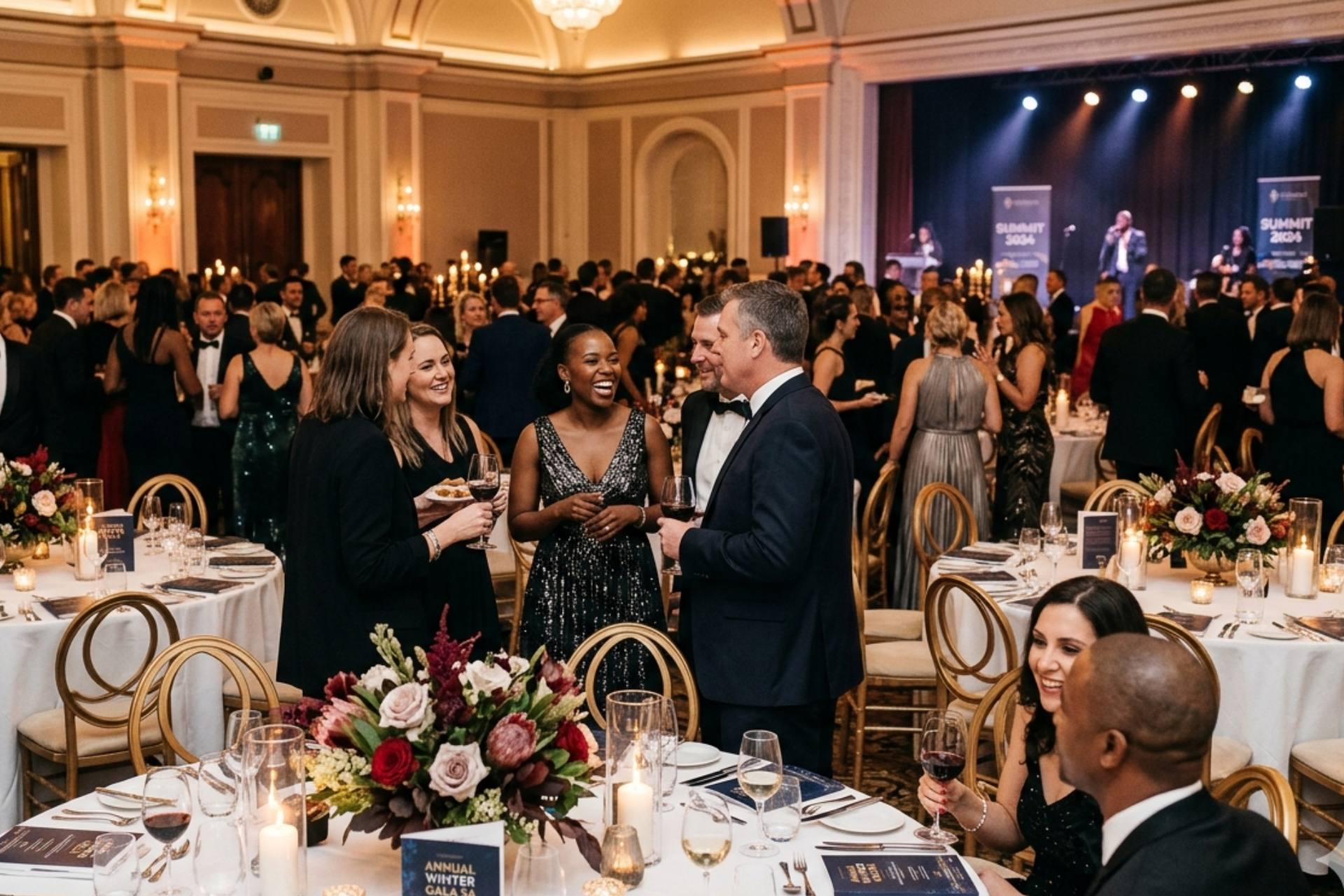
Guests at a live event see the experience. The stage, the speakers, the performance, the lighting, the food, the atmosphere. What they do not see is the infrastructure that makes any of that possible, and how much of it has to go right simultaneously.
Crowd flow, access control, temporary structures, supplier logistics, medical support, venue requirements, security, weather contingency, and breakdown planning all need to be in place before a single guest arrives. If one of those elements fails, the consequences can extend well beyond an operational inconvenience. They can become a safety issue. They can create liability exposure for suppliers, attendees, venues and organisers.
Event safety is a serious professional responsibility in South Africa, and SACIA’s Event Safety Council plays an important role in supporting that conversation across the industry.
KEU’s Event Liability Insurance Solution is designed to help protect against third-party injury, illness or damage to third-party property arising from events, with the option to include setup and breakdown periods where required. That last point is worth emphasising. Event risk does not begin when the doors open. It starts during build, and it continues until breakdown is complete. The event, from a risk perspective, is considerably larger than the main programme.
Drones Are Useful. They Are Also Another Variable.
Drones have become a genuine asset across film, advertising and live events. They open up creative possibilities that were not practical or affordable a decade ago, and they are now a regular feature on productions and large-scale events.
But commercial drone use brings a specific type of risk with it that deserves proper consideration rather than an afterthought. The drone itself carries value. The payload may carry significant additional value. The operation needs to be professionally managed. Licensing, location, flight conditions, equipment condition and third-party exposure all need to be factored in before the aircraft leaves the ground.
The South African Civil Aviation Authority provides guidance on Unmanned Aircraft Systems, defining these as unmanned aircraft piloted from a remote pilot station, excluding model aircraft and toy aircraft.
KEU’s Drone All Risk Insurance Solution provides cover for physical loss or damage to licensed drones used commercially, including payload, with optional extensions such as liability and rental-related cover where required. Commercial use, licensing requirements and operational circumstances all form part of that risk conversation. A drone makes creative work more dynamic. It does not reduce the responsibility that comes with it.
Ask The Difficult Questions While There Is Still Time
One thing I have noticed consistently over nearly three decades in this industry is that strong risk planning tends to come down to one thing: a willingness to ask the uncomfortable questions early, while there is still time to do something about the answers.
What dates are fixed, and how much depends on them holding? Which costs are already out the door, and which can still be recovered if the plan changes? Who are the people this cannot happen without, and what is the plan if one of them cannot be there? Which equipment is genuinely irreplaceable on the day? What does it look like if the weather turns, the venue becomes inaccessible, or a key supplier falls away at the last minute?
I am not suggesting anyone should approach a production or an event expecting the worst. That is not how this industry works, and it is not how I think about it either. But having sat with those questions early means you can respond with far more confidence when circumstances shift. And they do shift. That is not pessimism. That is just experience.
That is where KEU’s Risk Management Service can support more useful early-stage conversations around operational exposures across film productions and live events.
The Underwriting Conversation Works Better With The Full Picture
At KEU, we work across industries where no two productions or events are the same. A commercial shoot is not a film production. A conference is not a music festival. A drone filming sequence carries different considerations from general event coverage. That variation is the whole point of specialist underwriting.
Clear, accurate information is what makes that specialism useful. Budgets, dates, locations, schedules, equipment lists, event details, safety considerations and declared values all contribute to a more informed conversation. The more accurately a risk is presented, the better the underwriting response can be. It sounds straightforward, but in practice, it is the difference between cover that actually fits and cover that almost fits.
Specialist insurance in film and events works best when it is part of the planning conversation, not something added at the end when everything else has already been decided.
The Risk Behind The Scenes
The creative industries are built on moments that look seamless. Behind every smooth production or successful event is planning, coordination and a great deal of professional judgement being applied under real pressure.
The real risk is not always dramatic. Sometimes it is a delayed vehicle. A damaged prop. A missing performer. A technical breakdown at the wrong moment. A supplier who cannot deliver. A weather shift that nobody saw coming.
Small changes carry large consequences when timelines are fixed and costs are already committed. That is the nature of this work. It is also why I believe so strongly that specialist cover, considered early and structured properly, makes a genuine difference. Not by removing uncertainty, because nobody can do that. But by creating a more structured way of responding when the unexpected affects the plan.
In film, advertising and live events, preparation is not only about making the day happen. It is about knowing what you will do when it cannot proceed exactly as planned.
That is where the right risk conversations matter most.
About the Author
Denise Hattingh is the Founder and Managing Director of KEU Underwriting Managers, South Africa’s leading specialist underwriter for the film, television and events industry. She has worked in entertainment insurance since 1996 and founded KEU in 2001. Over more than two decades, she has underwritten some of South Africa’s most significant productions and events, from the 2010 FIFA World Cup opening ceremony to international film productions and large-scale public gatherings. Connect with Denise and the KEU team at keu.co.za.