By Iola Edmayr, Executive Director
Something struck me during a conversation with one of our brokers a few weeks back. We were talking about a claim – a photographer’s gear had been stolen – and she said something that stayed with me: “It’s never just about the money, is it?”
She was right. When camera equipment gets stolen, damaged, or lost, the financial hit is obvious. But there’s so much more to it. The wedding photos that can’t be recreated. Film footage that took weeks to capture, gone. The phone calls to disappointed clients. The scramble to find replacement gear. The reputation that takes a knock when someone can’t deliver what they promised.
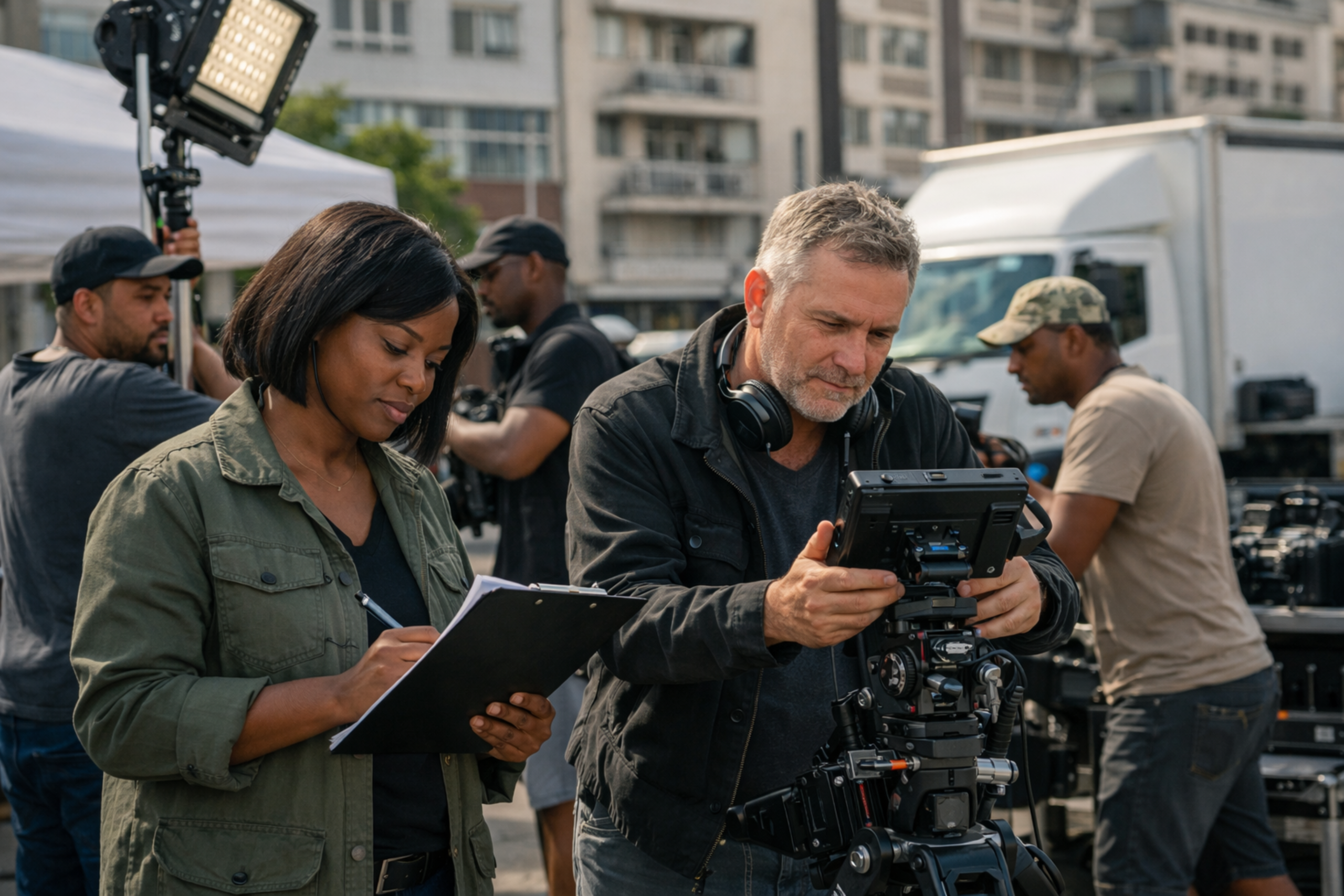
At KEU, we’ve been in this space long enough to know that equipment doesn’t just support productions – it is the production. A filmmaker without a camera isn’t much of a filmmaker. And our Equipment All Risk Insurance Solution needed to reflect that reality better.
So we’ve spent time rethinking things. Not just updating policy wording (though we’ve done that too), but really considering how insurance should work when people’s livelihoods depend on gear that’s constantly moving, getting used in unpredictable places, and under constant pressure to perform.
The Push for Change
Working in film, photography, and entertainment means Murphy’s Law is basically your job description. Everything that can go wrong, will go wrong. Shoots change locations. The weather doesn’t cooperate. Equipment decides to fail at 2am on a Sunday. And sometimes life just happens.
The stories brokers share with us have become pretty familiar:
A wedding photographer gets into a car accident on the way to a venue. What happens to the couple’s photos?
The film crew finishes a perfect day of shooting, then gets hijacked on the way home. All that footage, just gone.
Photographer ducks into a coffee shop between shoots – comes back to find their camera bag missing from the car.
These aren’t unusual situations. They’re just… Tuesday. And honestly, our old policy language wasn’t keeping pace with Tuesday.
What We’ve Built In
Non-Appearance of Cameraman
This one might be the biggest game-changer. Think about a wedding photographer who’s been booked for months. The couple’s excited, everything’s planned, and then – car accident. They’re in hospital instead of capturing the first dance.
The wedding still happens, of course it does. But those moments are lost forever. The Non-Appearance of Cameraman extension covers reshoots or contractual obligations when the key photographer can’t attend due to an insured event. It’s not about replacing a camera body – it’s about acknowledging that some losses go way beyond what you can put a price tag on.
Loss of Footage, Faulty Stock, and Processing (Enhanced)
We’ve all heard variations of this story. Perfect day of filming, everything goes smoothly, footage looks incredible. The crew heads home, gets hijacked, everything disappears – cameras, drives, the whole day’s work.
The enhanced Loss of Footage, Faulty Stock, and Processing extension now covers this kind of post-production loss, including theft or hijacking scenarios. Because the value isn’t just in the equipment – it’s in what’s captured on it.
Theft from Unattended Vehicles
Let’s be realistic here. If someone works in this industry, they’ve probably left equipment in a car at some point. Quick coffee run, bathroom break, maybe the location just doesn’t have secure storage. It happens.
The Theft from Unattended Vehicles extension provides a sub-limit of 15% of the sum insured, capped at R150,000 per loss. It’s not unlimited cover – we’re not encouraging risky behavior – but it’s practical protection for how people actually work.
All Risk That Actually Covers the Risks
Here’s where we’ve tried to bridge the gap between policy language and reality. Equipment doesn’t live in a studio. It travels. Gets hired out. Works in rain, dust, heat, chaos. Gets stored in hotel rooms, moves between locations, operates in conditions that would make most insurers break out in a cold sweat.
The updated wording reflects this. Where other insurers might get nervous about transport or hired-out use, we’ve focused on being practical. If it’s a reasonable part of how someone uses their equipment, the goal is to cover it.
The Supporting Cast
Beyond the headline changes, all the extensions brokers already know and use are still there, just clearer:
Absconsion – someone hires equipment and vanishes with it. Straightforward.
Loss of Footage, Faulty Stock, and Processing – covers reshoot costs when technical failures mean deliverables can’t be met.
Continuing Hiring Charges – keeps clients covered for ongoing rental payments while waiting for repairs or replacements.
Additional Hiring Costs / Loss of Income – helps when alternative gear needs to be hired or covers income lost while completing a project without usual equipment.
Escalation Clause – provides 15% cover for 45 days to account for inflation and cost increases.
Public and Employers’ Liability – included as standard, covering third-party injury or damage. Especially important on sets with crew, extras, and freelancers.
Why This Actually Matters
Every change we’ve made comes from real situations. We’ve seen the stress when coverage doesn’t quite stretch to cover reality. Watched professionals try to navigate insurance claims while juggling client relationships and project deadlines.
The solo photographer whose gear gets stolen between shoots shouldn’t have to wonder if their insurance will respond. The film crew whose footage disappears in a hijacking shouldn’t have to argue about whether post-production losses are covered.
We’ve thought about those moments and built coverage that responds clearly and without fuss.
The Broker Perspective
Brokers understand their clients’ equipment needs, the risks they face, the pressures they work under. With this updated wording, they’re better positioned to build protection that actually fits how their clients work.
Important note though – many of these enhancements are optional extensions. They need to be selected and included during quoting. Can’t assume they’re automatically there. It’s about having the right conversations about what clients actually need so coverage can be structured properly.
This isn’t about selling more insurance. It’s about making sure the insurance being sold actually works when it needs to.
Where We Go From Here
Whether there’s interest in walking through the new policy wording, discussing specific client situations, or just talking about how the industry keeps changing, we’re here to support brokers in delivering solutions that work.
Because when it comes to protecting clients’ craft, equipment, and livelihood, we’re committed to being there when it matters.