
By Denise Hattingh, Managing Director, KEU Underwriting Managers
Africa’s creative economy is buzzing with energy like I’ve never seen before. From Nollywood’s relentless output in Nigeria to South Africa’s reputation as the go-to destination for international shoots, we’re watching stories emerge that are genuinely capturing global audiences. International producers aren’t just looking anymore – they’re writing cheques. Streaming platforms are hunting for African content, and countries like Ghana and Botswana are throwing serious incentives at big productions to set up shop.
This isn’t just another industry uptick. What we’re seeing is a proper renaissance where cultural storytelling meets real economic muscle. But here’s what keeps me awake at night: for all its vibrancy, this creative boom is built on surprisingly shaky ground.
I’ve seen productions grind to a halt because of a sudden storm. I’ve watched key actors fall ill at the worst possible moment. Political tensions can shut down a shoot faster than you’d believe. Events get cancelled when infrastructure fails or permits get delayed at the last minute. These aren’t scary stories – they happen regularly, and they’re exactly why insurance has quietly become the backbone of every ambitious creative project on this continent.
The Money Is Getting Serious
Producing a film or staging a major event in Africa today isn’t the small-scale operation it once was. The budgets are bigger, the logistics are more complex, and frankly, everyone’s expectations have shot through the roof. When international money is involved, those financiers and distributors don’t mess around. They want to see proper risk management before they’ll release a cent, and that conversation always starts with insurance.
I’ve sat in enough meetings to know the pattern. Projects without solid insurance coverage struggle to get funded. Those with the right protection? The money flows, and everyone can focus on the creative work instead of worrying about what might go wrong.
Insurance doesn’t make headlines, but it’s the safety net that lets storytellers take risks and event organisers dream big.
How Insurance Actually Works in the Real World
People think insurance is boring paperwork, but in our industry, it touches everything. From my experience, these are the coverage types that successful productions can’t afford to overlook:
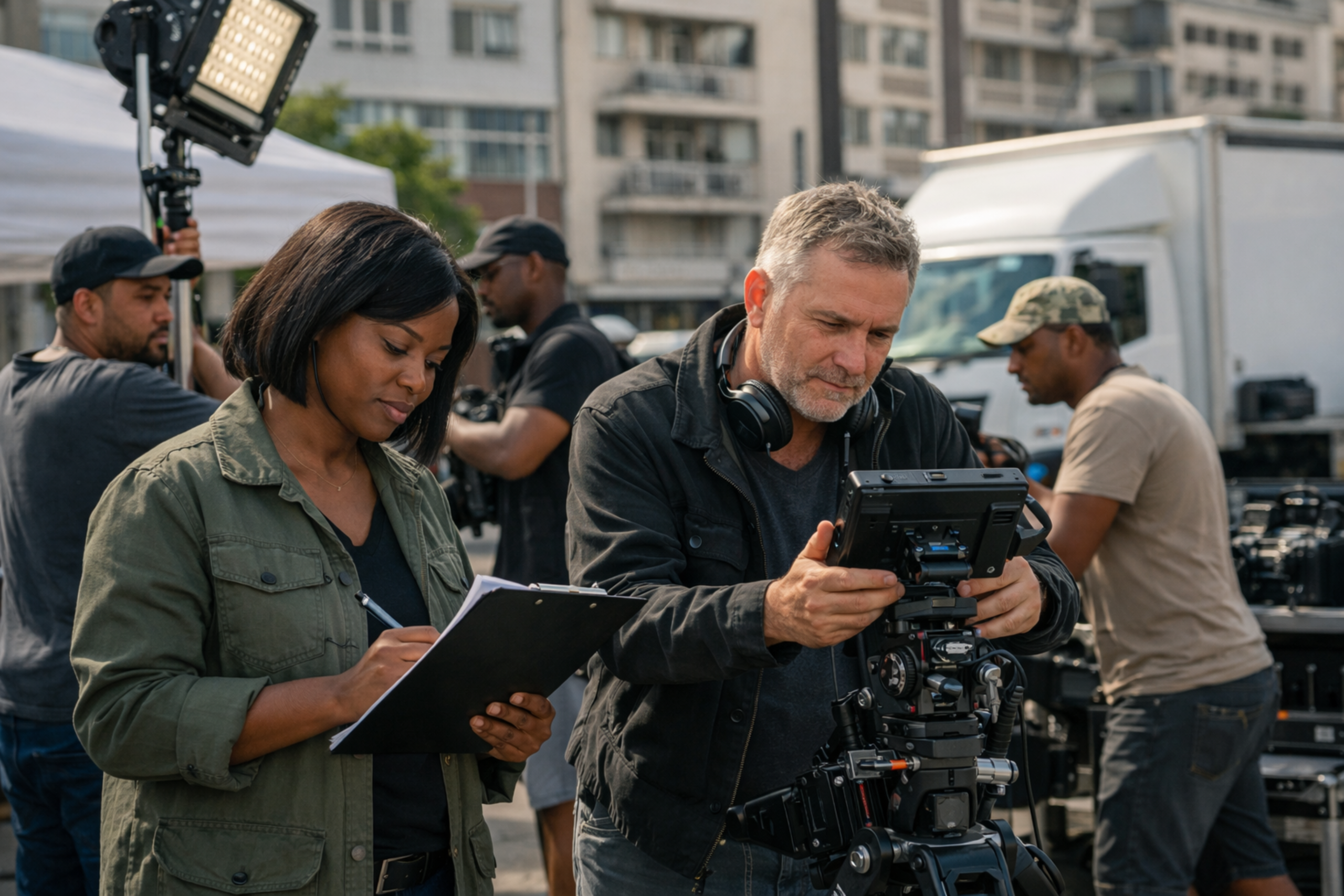
Film and Commercial Producers’ Indemnity Insurance is what saves the bacon when the lead actor gets food poisoning the night before a crucial scene, or when protesters decide a film set is the perfect place to make their point. We cover cast and crew non-appearance, lost props, damaged wardrobe – basically all the chaos that can derail a production. Every production I know relies on this, from micro-budget documentaries to Hollywood blockbusters shooting in Cape Town.
Equipment All Risk Insurance protects the expensive kit that makes modern filmmaking possible. Those cameras, lights, and sound equipment cost more than most people’s houses. We cover them whether they’re sitting in storage, bouncing around in the back of a truck on terrible roads, or being used on set in the middle of nowhere.
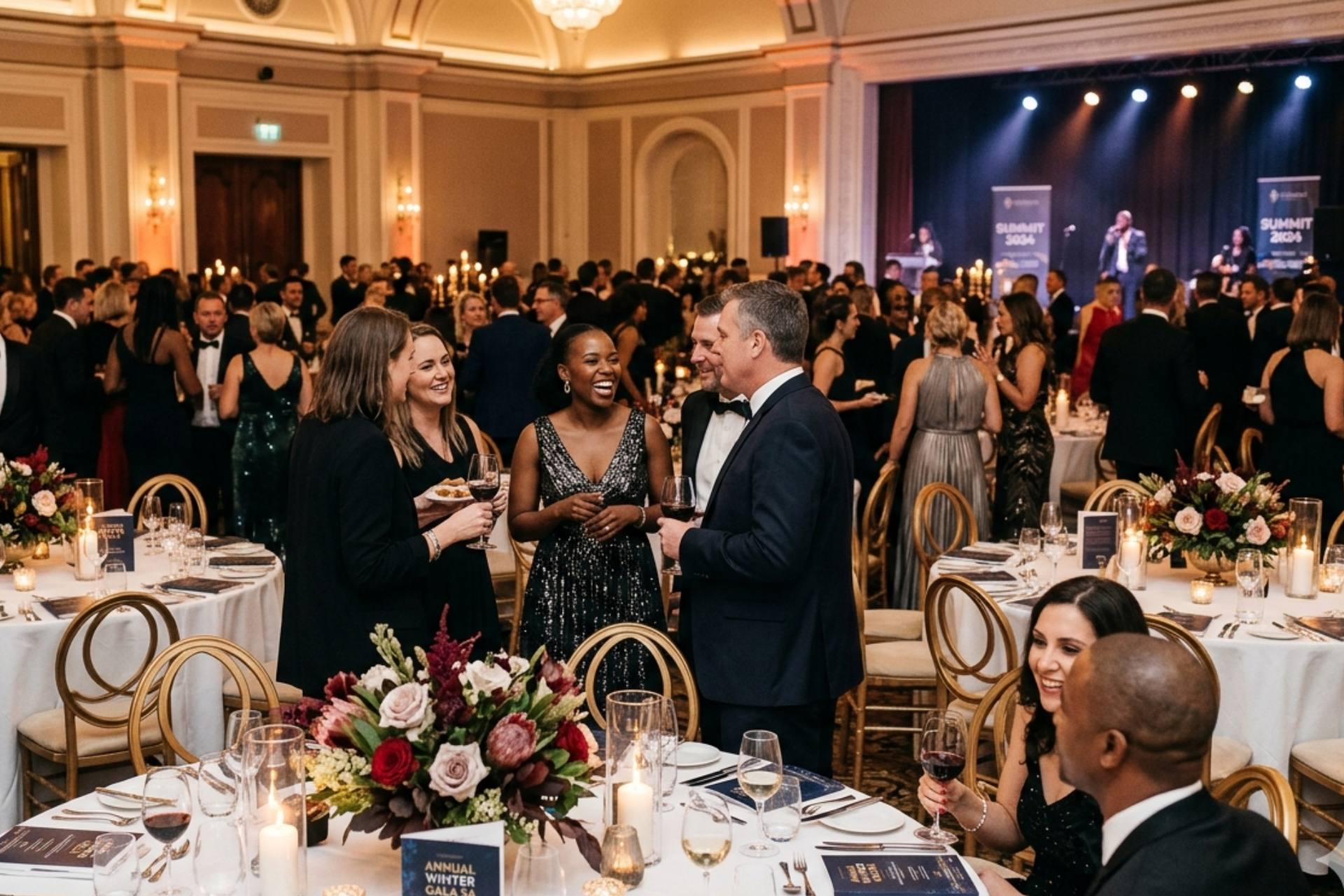
Event Liability Insurance gives event organisers peace of mind when they’re putting on premieres, screenings, or festivals. If someone gets hurt or property gets damaged, they’re covered. It’s the difference between hosting a confident event and spending the whole time waiting for something to go wrong.
Event Cancellation Insurance kicks in when events simply can’t happen – venue damage, artists who don’t show up, or any of the dozen other disasters that can kill months of planning. Instead of the organiser bearing the entire loss, we step in.
Advertisement Cancellation Insurance protects those commercial shoots that agencies spend months planning. When weather doesn’t cooperate or locations are damaged, the financial impact can be devastating without proper cover.
Prize Indemnity Insurance lets organisers offer those attention-grabbing prizes without gambling their entire budget. Hole-in-one competitions, lucky draws with cars as prizes – we’ve covered them all. It’s what allows marketing teams to be bold without being reckless.
Drone All Risk Insurance has become essential as aerial filming exploded in popularity. Drones crash, get stolen, or occasionally fly into things they shouldn’t.
I often tell people that insurance is like scaffolding on a building site. You don’t notice it when it’s doing its job properly, but without it, you can’t build anything worth building.
This Isn’t Just a South African Story
The creative boom is happening across the continent, and I’m seeing it firsthand through the work we’re doing. Ghana has rolled out tax rebates that are getting serious attention. Botswana is pulling in international productions that would have gone elsewhere five years ago. Nigeria’s Nollywood machine just keeps growing.
At KEU, we’ve been following our clients as they work across borders. Through our broker network, we cover productions from Cape Town to Windhoek, events in Gaborone, and promotional campaigns across the region. As long as the production company or organiser is set up as a South African entity, our coverage travels with them.
We insured hole-in-one competitions in both Namibia and Botswana under our Prize Indemnity solution. Sounds simple, but it’s part of a much bigger picture of South African insurance expertise supporting creative ventures across Africa. In markets where local insurance capacity is still developing, that cross-border capability makes the difference between projects happening or not.
Why This Moment Matters
The opportunities are massive, and the numbers back it up. The African Union has noted that the continent’s film and audiovisual sectors already generate around US $5 billion annually and sustain over 5 million jobs, with enormous potential for further growth as regulatory bodies like the African Audiovisual and Cinema Commission expand their reach.
Meanwhile, South Africa is actively strengthening its position as a production hub. The launch of the new STAGES and MEETS visa schemes has been welcomed by the events and film sectors, simplifying entry for creative professionals and reinforcing the country’s appeal to international productions.
But here’s the thing – as opportunities grow, so does the exposure. The conversations I’m having with brokers have changed completely. Weather risks, infrastructure challenges, regulatory differences between countries – these aren’t side issues anymore. They’re central to how productions get financed and how events get approved.
Insurance isn’t an afterthought you sort out later. It’s the foundation that lets Africa’s creative economy grow sustainably instead of lurching from crisis to crisis.
What I See Coming
As someone who’s been in this industry for years, I believe our job isn’t just providing cover – it’s understanding where this sector is heading. Insurance is woven into Africa’s creative story, not on stage, but in the infrastructure that keeps the whole show running.
African film and events are going to be defined by bold projects. But boldness needs confidence, and confidence comes from knowing you’re protected when things go sideways. It’s straightforward: without insurance, creative ventures remain vulnerable. With proper cover, they can compete globally and leave their mark.
For brokers working in this space, your clients are looking for reassurance that their creative ambitions won’t be destroyed by unforeseen problems.
When you guide them to the right coverage, you’re not just protecting their balance sheets – you’re helping build the future of Africa’s creative economy.
That’s what insurance does in our industry: stays quiet, stays reliable, and makes sure Africa’s boldest creative ventures can actually happen.